The Best Time Frames for Beginner Forex Traders
by Ehsan
Choosing the right time frame is one of the most critical decisions new Forex traders face. Time frames determine how you view price movements, when you enter and exit trades, and how much time you'll spend monitoring markets. Many beginners struggle because they select time frames that don't match their personality, schedule, or trading goals. This guide explains the most popular time frames for Forex trading and helps you identify which one suits your needs as a new trader.
Understanding Forex Time Frames
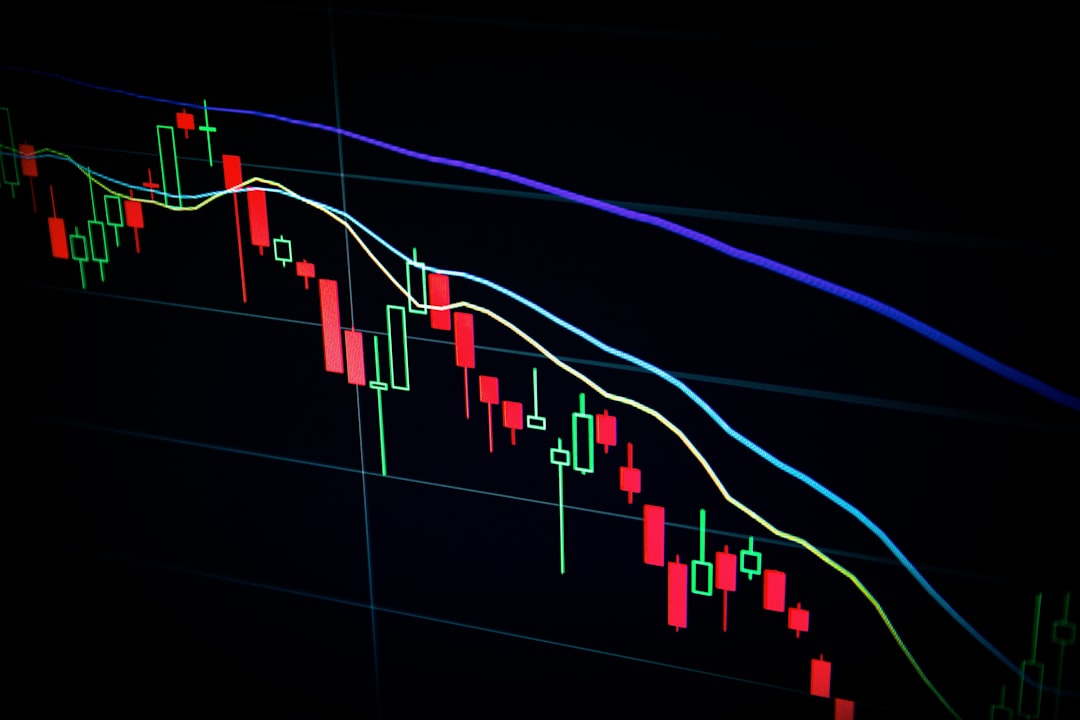
A time frame represents the period each candlestick or bar covers on your trading chart. Common time frames range from one minute (M1) to one month (MN). Short-term time frames like M1, M5, and M15 show rapid price changes and require constant attention. Medium-term time frames such as H1 and H4 balance detail with broader market context. Long-term time frames including daily (D1) and weekly (W1) charts reveal major trends and require less frequent monitoring.
Each time frame serves different trading styles. Day traders use short time frames to open and close positions within hours. Swing traders prefer medium to longer time frames, holding trades for days or weeks. Position traders analyze weekly or monthly charts for trends lasting months. Understanding these categories helps you match time frames to your available trading time and risk tolerance.
Recommended Time Frames for Beginners
Most trading educators recommend beginners start with H1 (1-hour) or H4 (4-hour) charts. These time frames provide enough price data to identify clear trends without overwhelming you with constant market noise. They also allow you to make informed decisions without needing to watch charts every minute.
| Time Frame | Best For | Analysis Time Required | Typical Trade Duration |
|---|---|---|---|
| M15-M30 | Active day traders | 4-6 hours daily | 30 minutes - 3 hours |
| H1-H4 | Part-time traders | 1-2 hours daily | Several hours - 2 days |
| D1 | Busy professionals | 30-60 minutes daily | 2-10 days |
| W1 | Long-term investors | 1-2 hours weekly | Weeks to months |
The H4 time frame is particularly popular among Iranian traders with full-time jobs because it allows you to check charts in the morning, during lunch, and in the evening without missing critical movements. Daily charts (D1) work even better if you can only dedicate 30-60 minutes per day to trading.
Why Beginners Should Avoid Very Short Time Frames
Many new traders mistakenly believe that trading on M1 or M5 charts will generate faster profits. In reality, scalping on ultra-short time frames is one of the most difficult trading styles. Price movements on these charts are heavily influenced by market noise, making patterns less reliable. You'll face higher transaction costs due to frequent trades, and the emotional pressure of rapid decision-making often leads to mistakes.
Short time frames also magnify the impact of spread costs. If your broker charges a 2-pip spread on EUR/USD, and you're targeting 5-pip profits on M5 charts, spreads consume 40% of your potential gain. On H4 charts targeting 40-50 pips, that same spread represents only 4-5% of your profit target. For beginners learning to manage risk and develop discipline, slower time frames provide a more forgiving learning environment.
Multiple Time Frame Analysis
Professional traders don't rely on a single time frame. They use multiple time frame analysis to confirm trading decisions. A common approach is the top-down method: analyze a higher time frame to identify the overall trend, then drop to a lower time frame to find precise entry points. For example, if the D1 chart shows EUR/USD in an uptrend, you might use the H4 chart to identify pullbacks as buying opportunities.
As a beginner, start by mastering one primary time frame before adding complexity. Once comfortable, add one higher and one lower time frame to your analysis. This three-chart approach helps you see both the bigger picture and the detailed price action without becoming overwhelmed by too much information.
Matching Time Frames to Your Lifestyle
Your personal schedule should heavily influence your time frame choice. If you work full-time and can only check charts twice daily, trading M15 charts is impractical. The D1 time frame suits your situation better. If you're a university student with flexible hours who wants to actively trade, H1 or H4 charts might work well. Iranian traders should also consider global Forex market hours—major currency pairs are most active during London and New York sessions, which occur in the afternoon and evening Tehran time.
Consider transaction costs as well. Frequent trading on lower time frames means paying spreads more often. If you're starting with a small account, limiting the number of trades by using higher time frames helps preserve capital. Your broker's execution speed and spread competitiveness also matter more on shorter time frames where seconds and fractional pips make significant differences.
Understanding the relationship between time frames and trading psychology is crucial. Longer time frames give you more time to think and reduce impulsive decisions driven by fear or greed. They also allow you to set wider stop-losses that won't get triggered by normal market fluctuations, improving your overall win rate as you learn.
Conclusion
The best time frame for beginner Forex traders is typically H4 or D1, offering a balance between opportunity and manageability. These time frames provide clear price patterns, require less screen time, and minimize the emotional stress that destroys many new traders. Start with one primary time frame that matches your schedule, master it thoroughly, then gradually incorporate multiple time frame analysis as you gain experience. Remember, consistency in your approach matters more than finding the "perfect" time frame.