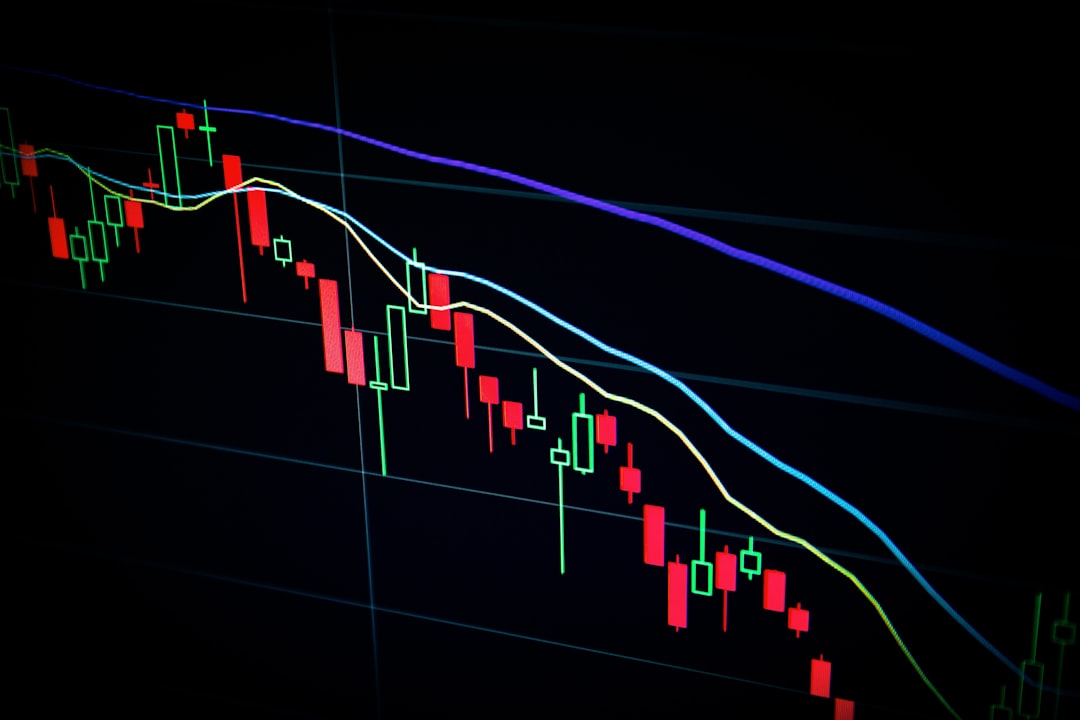
How Risk Management Protects Forex Trading Accounts
by Ehsan
Every successful Forex trader understands one fundamental truth: protecting your trading capital matters more than chasing profits. Without proper risk management, even the most profitable trading strategy can lead to devastating account losses. This guide explains how implementing solid risk management principles shields your Forex account from catastrophic drawdowns and creates a sustainable foundation for long-term trading success.
Why Risk Management Is Your First Line of Defense
Risk management in Forex trading refers to the systematic approach of limiting potential losses while maximizing profitable opportunities. Unlike casual traders who focus solely on entry signals, professional traders spend considerable time calculating risk exposure before entering any position. The primary goal is capital preservation—ensuring you stay in the game long enough to benefit from winning trades.
Most beginner traders fail not because they lack profitable strategies, but because they risk too much capital on individual trades. Statistics show that over 70% of retail Forex traders lose money, primarily due to poor risk management practices. When you risk 20-30% of your account on a single trade, just three consecutive losses can wipe out most of your capital, making recovery mathematically difficult.
Essential Risk Management Techniques for Forex Traders
Implementing proven risk management techniques transforms trading from gambling into a calculated business decision. Here are the core strategies every trader should master:
- Position Sizing: Never risk more than 1-2% of your total account balance on any single trade. This rule ensures that even a series of losing trades won't destroy your account.
- Stop-Loss Orders: Always use stop-loss orders to automatically exit trades when prices move against your position. This removes emotional decision-making during volatile market conditions.
- Risk-Reward Ratio: Target trades with at least a 1:2 risk-reward ratio, meaning you aim to make twice what you're risking on each trade.
- Diversification: Avoid concentrating all positions in correlated currency pairs. Spread risk across different pairs with low correlation.
Position Sizing and Stop-Loss Strategy Comparison
Understanding different approaches to position sizing and stop-loss placement helps traders choose methods that match their trading style and risk tolerance. The table below compares common strategies:
| Strategy Type | Risk Per Trade | Stop-Loss Placement | Best For |
|---|---|---|---|
| Conservative | 0.5-1% | Wide (50-100 pips) | Beginners, swing traders |
| Moderate | 1-2% | Medium (30-50 pips) | Experienced day traders |
| Aggressive | 2-3% | Tight (10-30 pips) | Scalpers, high-frequency traders |
| Fixed Dollar | $50-100 | Varies by pair | Small account holders |
Calculating Your Position Size Correctly
Proper position sizing calculation ensures you never exceed your predetermined risk threshold. The formula is straightforward: Position Size = (Account Balance × Risk Percentage) ÷ (Stop-Loss in Pips × Pip Value). For example, with a $10,000 account, 1% risk ($100), and a 50-pip stop-loss on EUR/USD (pip value $10), your position size should be 0.2 lots.
Many traders in Iran and other regions with limited broker access make the mistake of trading standard lots when they should be using micro or mini lots. This miscalculation leads to overleveraging and rapid account depletion. Always verify your broker's contract specifications and pip values before calculating position sizes.
Risk-Reward Ratios and Expectancy
A positive risk-reward ratio doesn't guarantee profitability—you must also consider your win rate and trading expectancy. Trading expectancy combines your win rate, average win size, and average loss size to determine if your strategy is profitable over time. Even with a 40% win rate, maintaining a 1:3 risk-reward ratio produces positive expectancy.
Calculate your expectancy using this formula: Expectancy = (Win Rate × Average Win) - (Loss Rate × Average Loss). If the result is positive, your strategy has long-term profitability potential. Track every trade in a journal to calculate accurate statistics and continuously improve your risk management approach.
Emotional Control and Risk Management Discipline
Technical risk management tools mean nothing without psychological discipline. Fear and greed remain the biggest destroyers of trading accounts. When you follow predetermined risk rules, you remove emotional decision-making from the equation. Never move stop-losses further away to avoid taking losses, and never increase position sizes to "recover" previous losses faster—these behaviors lead to margin calls and account blowups.
Successful traders treat risk management as non-negotiable. They understand that protecting capital during losing streaks allows them to capitalize on winning streaks when market conditions align with their strategies. This disciplined approach separates professional traders from gamblers.
Mastering risk management transforms Forex trading from a high-stakes gamble into a sustainable profession. By implementing proper position sizing, strategic stop-loss placement, and maintaining discipline through market volatility, you protect your account from devastating losses while positioning yourself for consistent long-term growth. Start with conservative risk parameters, track your results diligently, and gradually refine your approach based on proven performance data.