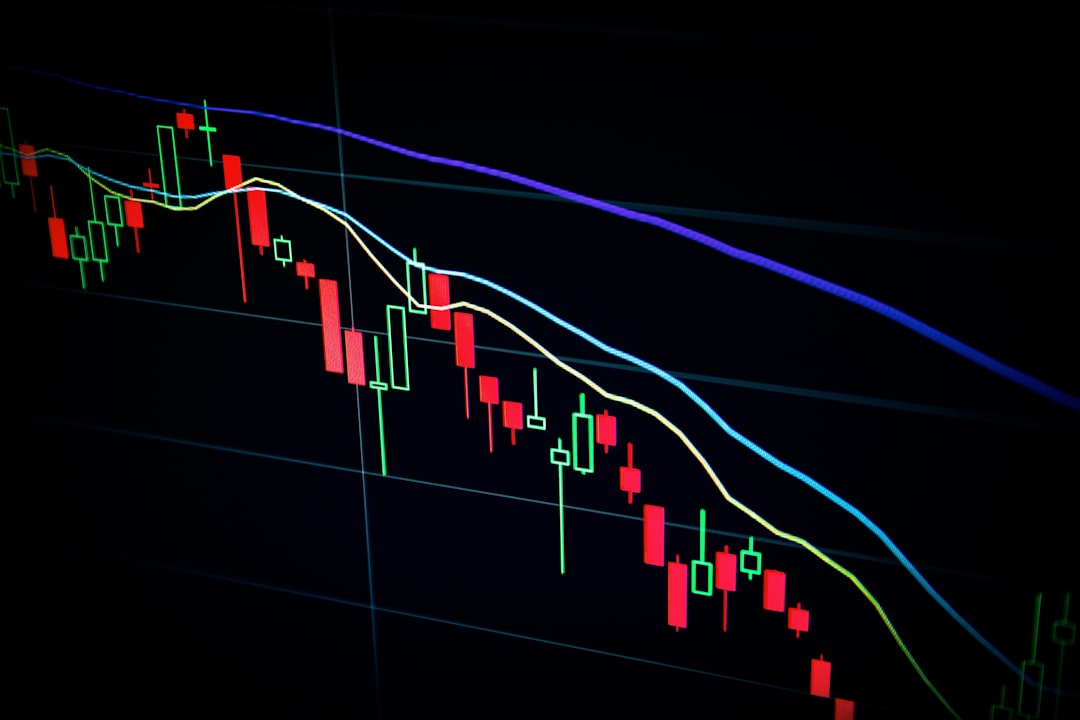
What Is a Stop Loss and Why Traders Need It
by Ehsan
Every successful Forex trader knows that protecting capital is more important than chasing profits. One of the most critical tools for capital preservation is the stop loss order. Whether you're trading in Iran or anywhere else globally, understanding and properly using stop losses can mean the difference between long-term success and devastating losses. This guide will explain what a stop loss is, how it works, and why it's essential for every trader's survival in the currency markets.
Understanding Stop Loss Orders
A stop loss is a predetermined price level at which a trader automatically exits a losing position. It's an order placed with your broker to sell (or buy back) a currency pair when the price moves against your position by a certain amount. Think of it as an emergency exit that activates automatically when the market doesn't move in your favor.
For example, if you buy EUR/USD at 1.1000 and place a stop loss at 1.0950, your position will automatically close if the price drops to that level, limiting your loss to 50 pips. This happens whether you're watching the charts or not, protecting you from further losses if the market continues to decline.
Stop losses are executed as market orders, meaning they trigger at the next available price once your stop level is reached. In fast-moving markets, you might experience slight slippage, but the protection they offer far outweighs this minor inconvenience.
Types of Stop Loss Orders
Traders can choose from several stop loss variations depending on their strategy and market conditions:
- Fixed Stop Loss: A static price level that doesn't move once set, providing clear risk definition from entry.
- Trailing Stop Loss: Moves with the price as your trade becomes profitable, locking in gains while still protecting against reversals.
- Time-Based Stop: Exits a position after a predetermined time period, regardless of profit or loss.
- Volatility-Based Stop: Adjusts according to market volatility using indicators like ATR (Average True Range).
Most trading platforms accessible to Iranian traders offer these standard stop loss types, making risk management accessible to everyone.
Why Stop Losses Are Non-Negotiable
Many novice traders resist using stop losses, believing they can manually exit trades when needed. This approach fails for several critical reasons. First, emotional decision-making during live trades leads to hope and denial, causing traders to hold losing positions far too long. Second, you cannot monitor markets 24/7, and Forex moves around the clock.
Stop losses enforce discipline by removing emotions from the exit decision. They ensure you follow your trading plan even when fear or greed tempts you to deviate. Professional traders never enter a position without knowing exactly where their stop loss will be placed.
Here's a comparison of trading with and without stop losses:
| Aspect | With Stop Loss | Without Stop Loss |
|---|---|---|
| Risk Control | Defined and limited | Unlimited potential loss |
| Emotional Impact | Reduced stress | High anxiety |
| Account Protection | Prevents catastrophic losses | Risk of account wipeout |
| Trading Discipline | Enforces plan adherence | Subject to impulse decisions |
How to Set Effective Stop Losses
Setting stop losses isn't about random numbers—it requires strategic thinking. The most common methods include:
Technical levels: Place stops beyond support/resistance levels, trend lines, or chart patterns. This prevents premature exits due to normal market noise while still protecting capital if the technical structure breaks.
Percentage-based: Risk a fixed percentage of your account (typically 1-2%) on each trade. Calculate your stop loss distance based on this risk tolerance and your position size.
ATR-based: Use the Average True Range indicator to set stops that accommodate normal price fluctuations for each currency pair. Volatile pairs need wider stops than stable ones.
Remember that stop placement should reflect market structure, not just your desired risk. Placing stops too tight results in getting stopped out repeatedly, while stops too wide expose you to excessive losses.
Common Stop Loss Mistakes to Avoid
Even experienced traders sometimes misuse stop losses. The most frequent errors include moving stops further away when a trade moves against you, which defeats their protective purpose entirely. Another mistake is placing stops at obvious levels where many other traders have theirs, making you vulnerable to stop hunting by market makers.
Some traders set stops too tight relative to normal price volatility, resulting in being stopped out before the trade has room to work. Others neglect to adjust stops at all, even when a trade moves significantly in their favor, missing opportunities to lock in profits with trailing stops.
Iranian traders should also be aware that during major economic announcements or geopolitical events affecting the region, market volatility can spike dramatically. Wider stops may be appropriate during these periods to avoid getting stopped out by temporary price spikes.
Integrating Stop Losses Into Your Trading Plan
Every trade should have three predetermined levels before you enter: entry price, stop loss, and take profit target. This gives you a clear risk-reward ratio. Professional traders typically seek at least a 1:2 ratio, meaning they risk $1 to potentially make $2.
Your stop loss placement directly affects your position size. With a defined stop distance and risk percentage, you can calculate exactly how many units to trade, ensuring consistent risk management across all positions regardless of the currency pair or market conditions.
Document your stop loss strategy in your trading journal. Record where you placed stops, why you chose those levels, and whether they performed as intended. This data helps refine your approach over time.
Conclusion: Stop losses are the cornerstone of successful Forex trading and capital preservation. They protect you from emotional decisions, limit losses, and allow you to trade with confidence knowing your risk is defined. Iranian traders entering the global Forex market should master stop loss usage before risking significant capital. Start by practicing stop loss placement on demo accounts, then gradually apply these principles to live trading with proper risk management. Remember: protecting your capital today ensures you can trade tomorrow.